Strat vs. Les Paul: Which One Should You Buy?
Intermediate Guitar contains affiliate links and is a member of the Amazon Services LLC Associates Program. If you make a purchase using one of our links, I may receive compensation at no extra cost to you.
If you’re trying to decide between a Fender Stratocaster and a Gibson Les Paul, you’ve probably already realized that this is one of the most-debated questions in the electric guitar world.
And the answer to which is best completely depends on who you ask. Some people will say both, and others will say it depends on the kind of music you’re playing. And of course, you’ll find the people that just say to buy a Telecaster instead.
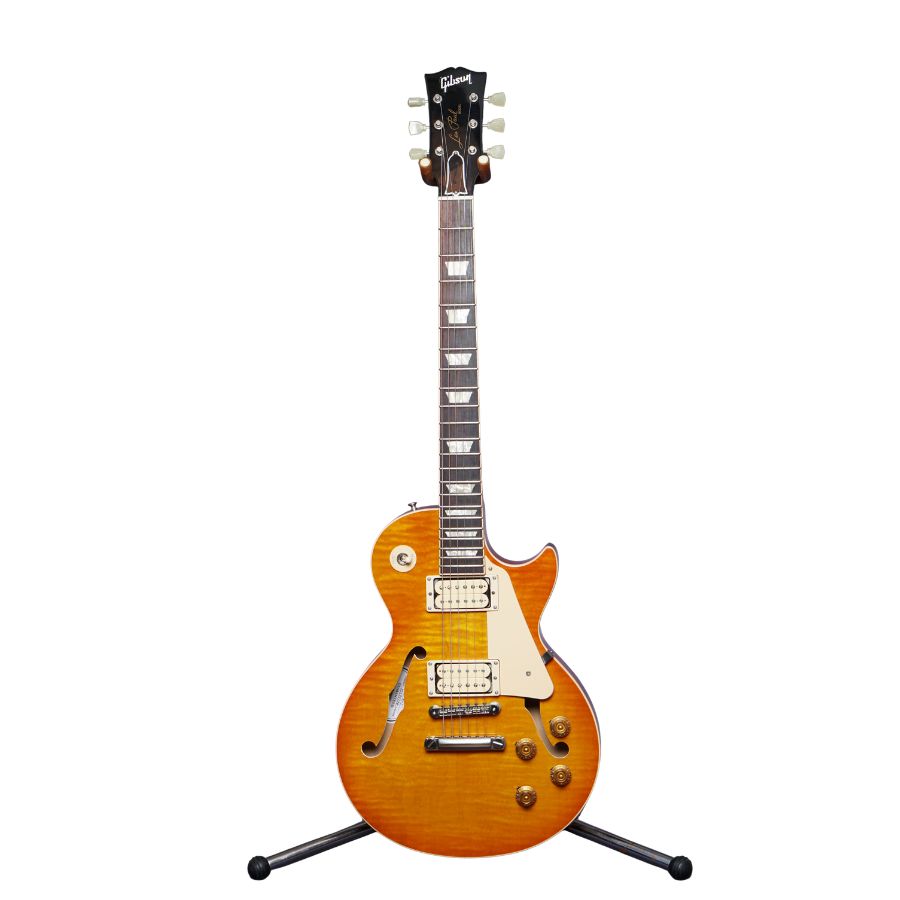
In this post, we’re going to weigh the pros and cons of both so that you can have a clear picture of which is the better guitar for you and your situation.
So here’s a solid breakdown of what each guitar does well, and what it doesn’t do as well.
The short answer: which is better?
If you’re a hobbyist who plays at home, maybe gigs occasionally, and wants an electric guitar that does everything, get a Stratocaster (ideally with an HSS pickup configuration).
If you mostly play rock, blues, or heavier music, and you want a guitar that sounds thick and sustains, get a Les Paul. But just know you’re signing up for the extra weight, too.
If you can afford both, get both. That’s what every guitarist we know ends up doing anyway.
But let’s dive deeper because there’s certainly more to the picture than that.
The Fender Stratocaster
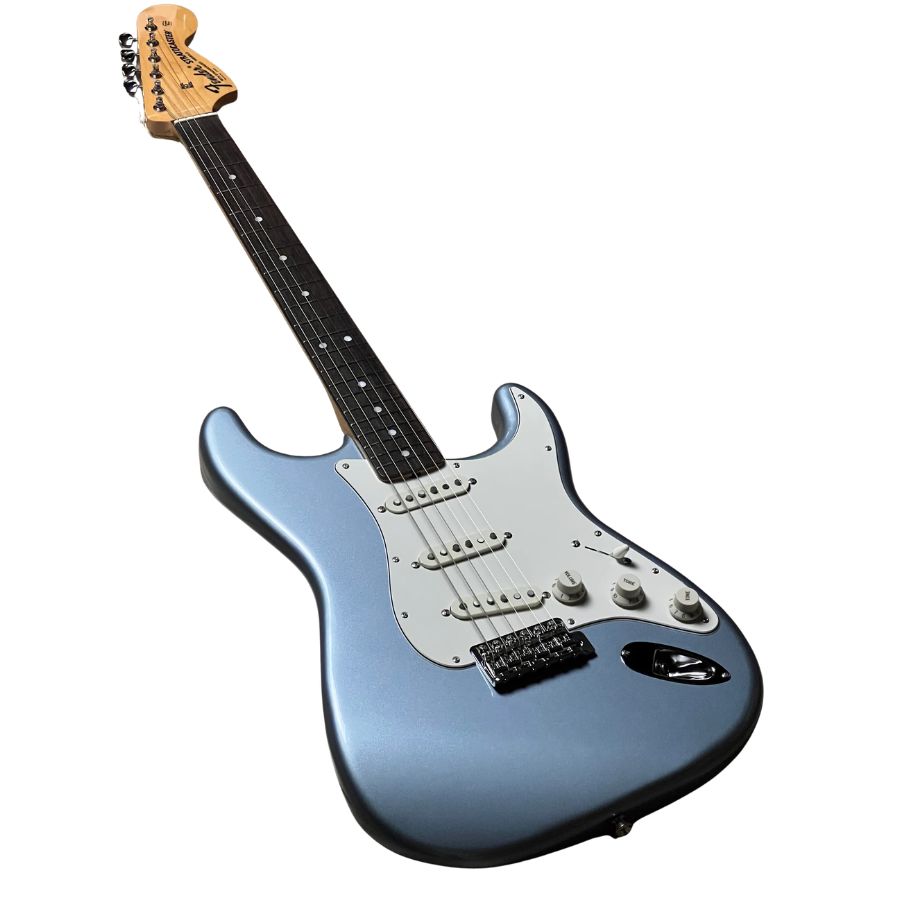
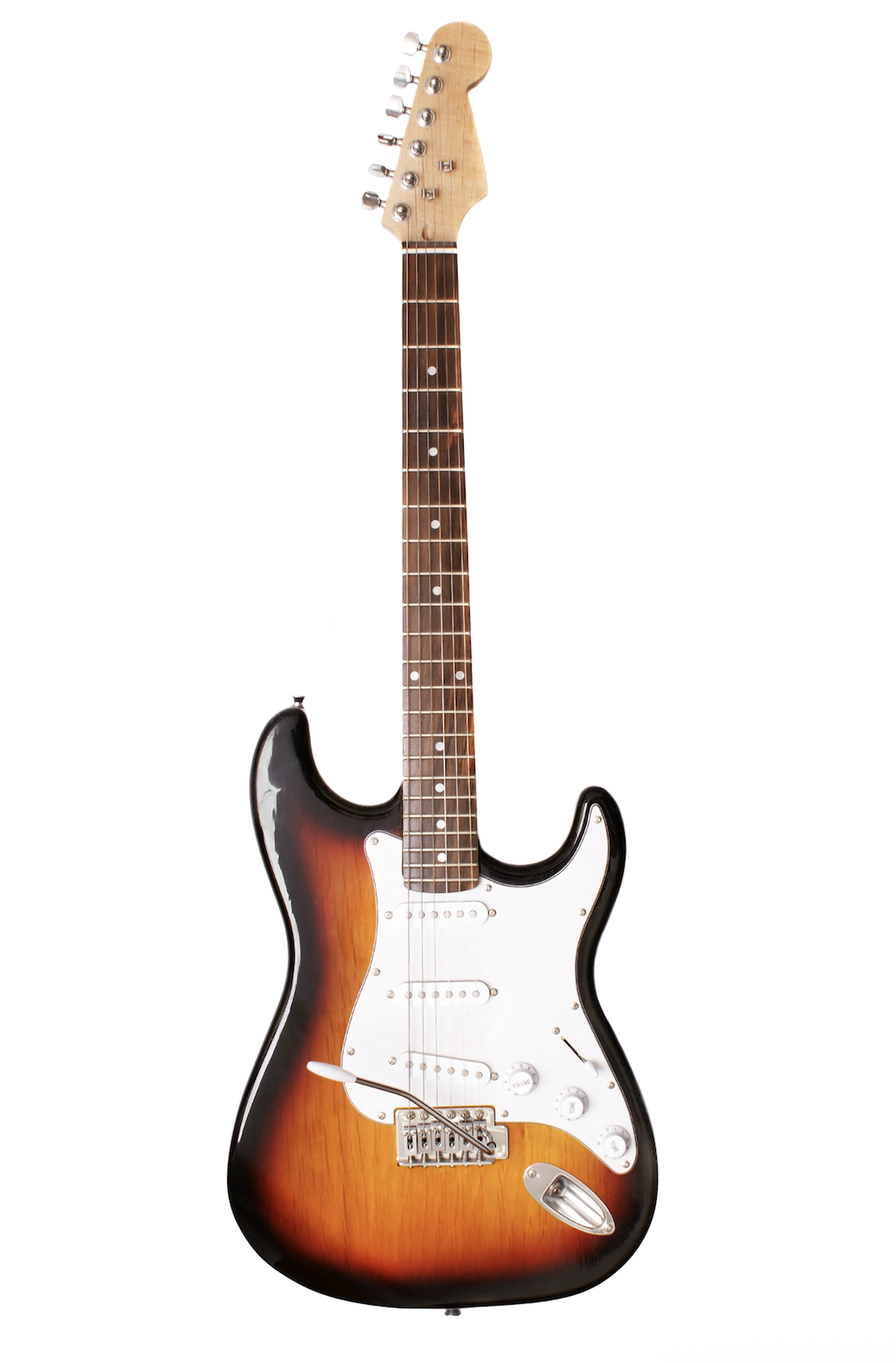
The Fender Stratocaster was designed in 1954 by Leo Fender, and it’s the most-copied electric guitar in history. It features three single-coil pickups, a double-cutaway body that gives you full access to all 22 frets, a floating tremolo system, and a bolt-on neck.
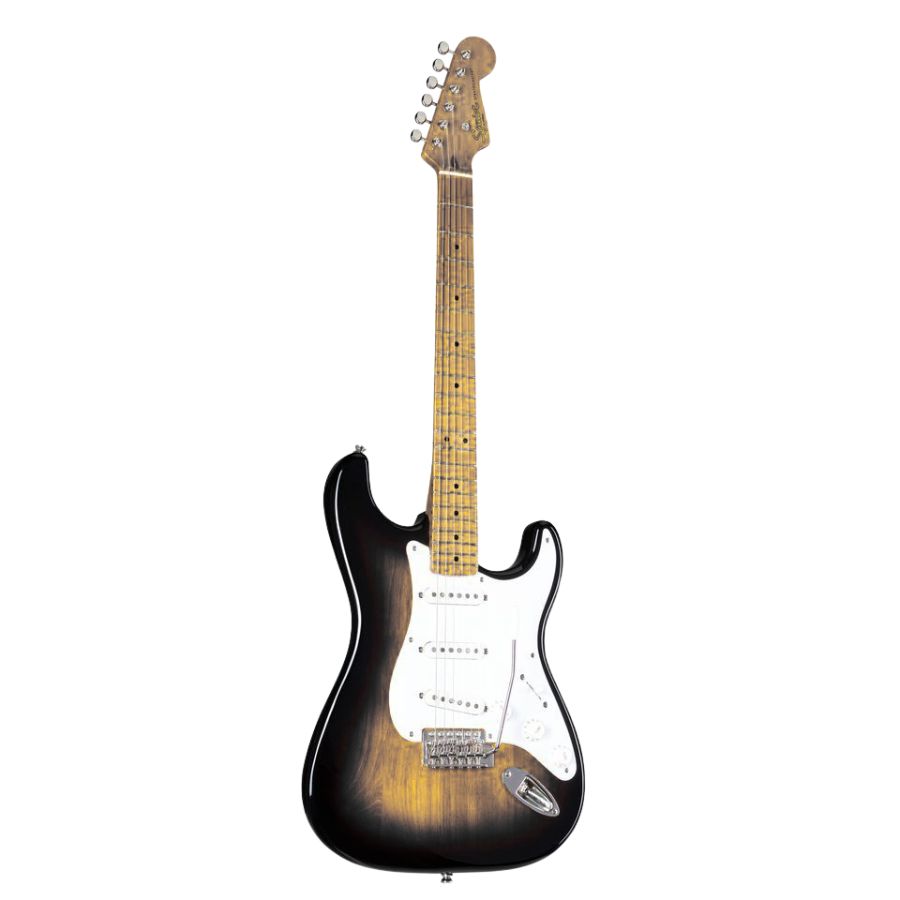
>> Click here to explore (and buy 😉) Fender Stratocaster guitars.
It’s bright, clean, articulate, reliable, and hard to kill.
Strat pros
- Lighter weight (typically 7-8 lbs)
- More versatile because of the 5-way pickup switch
- The HSS option gives you hotter bridge pickup without giving up the single-coil sound in the neck and middle
- Bright and clean tone you can’t replicate with humbuckers
- Tremolo arm for vibrato and dive bombs
- Easier on your back during long gigs
- Quality is consistent across price points (a good Strat is easy to find)
- Massive aftermarket parts and customization options
Strat cons
- Tremolo can cause tuning instability
- Single-coil pickups hum (60-cycle hum is real)
- Can sound thin compared to humbucker guitars
- Less sustain than a Les Paul
- Bolt-on neck feels less “connected” to some players
- Bridge pickup can be ice-picky if the amp isn’t dialed right
Best for
Strats are best for blues, funk, country, surf, indie, classic rock, and anything that needs a clean or moderately overdriven tone with bite.
In these terms, think Hendrix, SRV, Gilmour, Knopfler, John Mayer, and John Frusciante.
The Gibson Les Paul
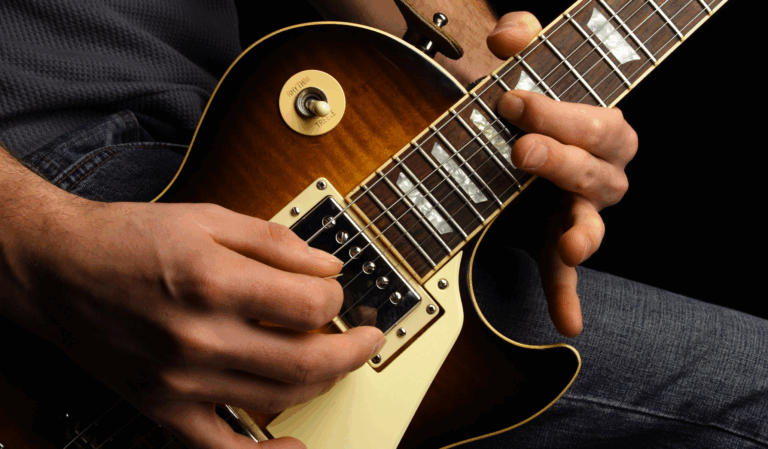
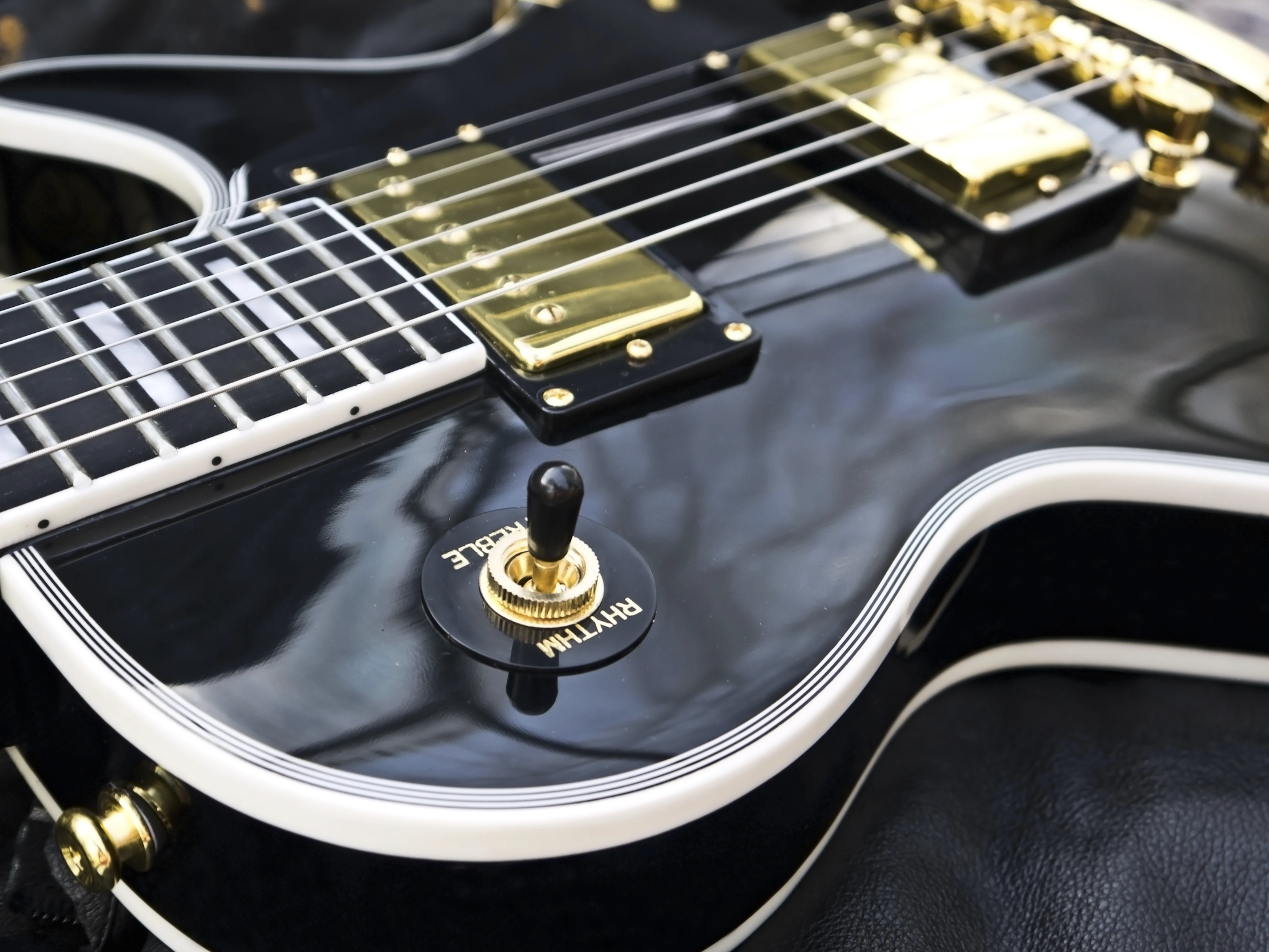
The Les Paul was designed in 1952 in collaboration with Les Paul himself, and it’s the second-most-influential electric guitar ever made. It has two humbucker pickups, a single-cutaway mahogany body with a carved maple top, a set neck, and a 24.75-inch scale length.
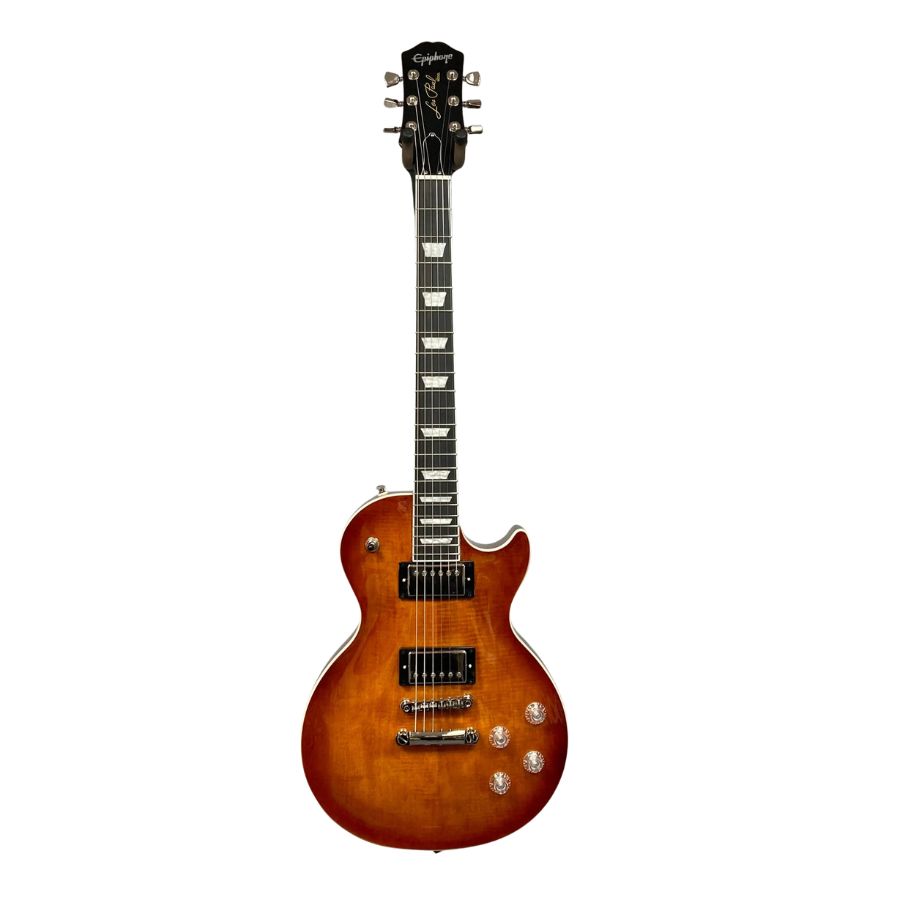
>> Click here to explore (and buy 😉) Gibson Les Paul guitars.
It’s thick, warm, and it can really sing. Not to mention it weighs roughly the same as a small toddler.
Les Paul pros
- Thick, warm, harmonically rich humbucker tone
- Incredible sustain (notes ring forever)
- Set neck construction transfers more vibration through the body
- Shorter scale length means easier finger stretches
- No 60-cycle hum
- Iconic look
- Built for rock, blues, jazz, and heavy genres
- Aging Les Pauls get better
Les Paul cons
- Heavy (typically 9-11 lbs, sometimes more)
- Gibson headstocks are famously fragile
- Quality varies a lot between individual guitars
- More expensive at every price point
- Less versatile than a Strat
- Can sound muddy if you’re not careful with gain staging
- Limited fret access compared to a double-cut
Best for
Les Pauls are best for rock, blues, hard rock, metal, jazz fusion, and anything that benefits from thick distorted tones or singing sustain. Think Slash, Jimmy Page, Joe Bonamassa, Zakk Wylde, and Duane Allman.
When to pick the Strat
Buy a Stratocaster if:
- You want one electric guitar that can cover most genres
- You play sitting down a lot or have any back or shoulder issues
- You’re drawn to clean and lightly overdriven tones more than heavy distortion
- You like to mod and tinker (Strats are the most customizable guitar ever made)
- You’re newer to electric and want something reliable that always plays well
- You gig regularly and need a workhorse that won’t break
When to pick the Les Paul
Buy a Les Paul if:
- You mostly play rock, blues, or heavier music
- You’re chasing a specific thick humbucker tone
- You play standing up most of the time and don’t mind the weight
- You want a guitar that ages well and holds its value
- You already own a Strat and want a different tonal flavor
- You prefer a chunkier neck and a “one-piece” guitar feel
What about the wildcards?
While most people focus on the Strat vs. Les Paul, we recommend exploring other options, too. Here are a few to consider and why:
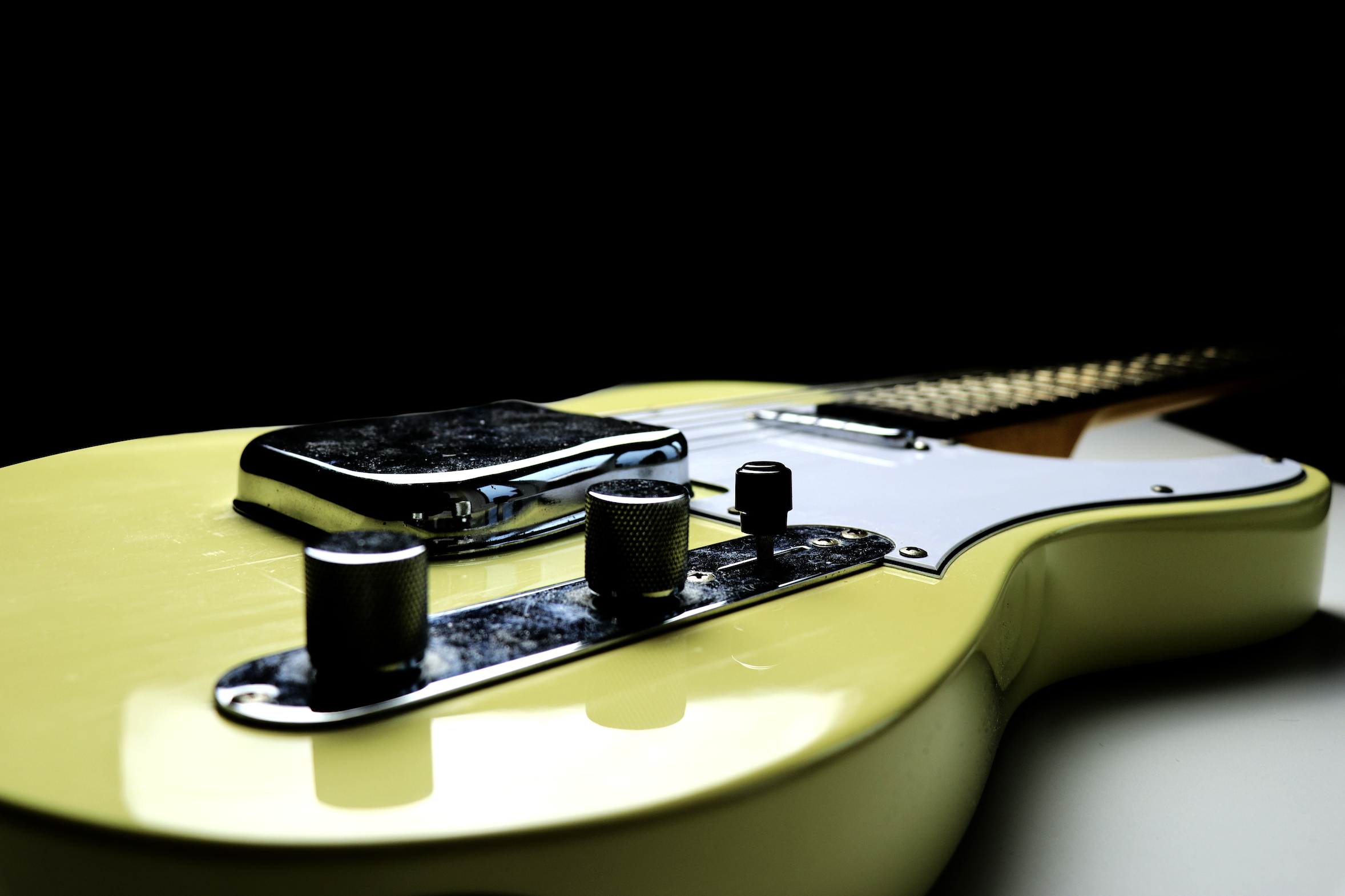
Telecaster – It’s older than the Strat, and twangier. It’s got two pickups, simpler controls, and it’s very reliable. If you play country, rockabilly, indie, or anything where you need to be punchy and direct, a Tele might be for you.
SG – It’s a Les Paul with half the weight and better fret access. You’ll get the same humbuckers, scale length, and it’s much easier to wear all night. Angus Young plays one for a reason.
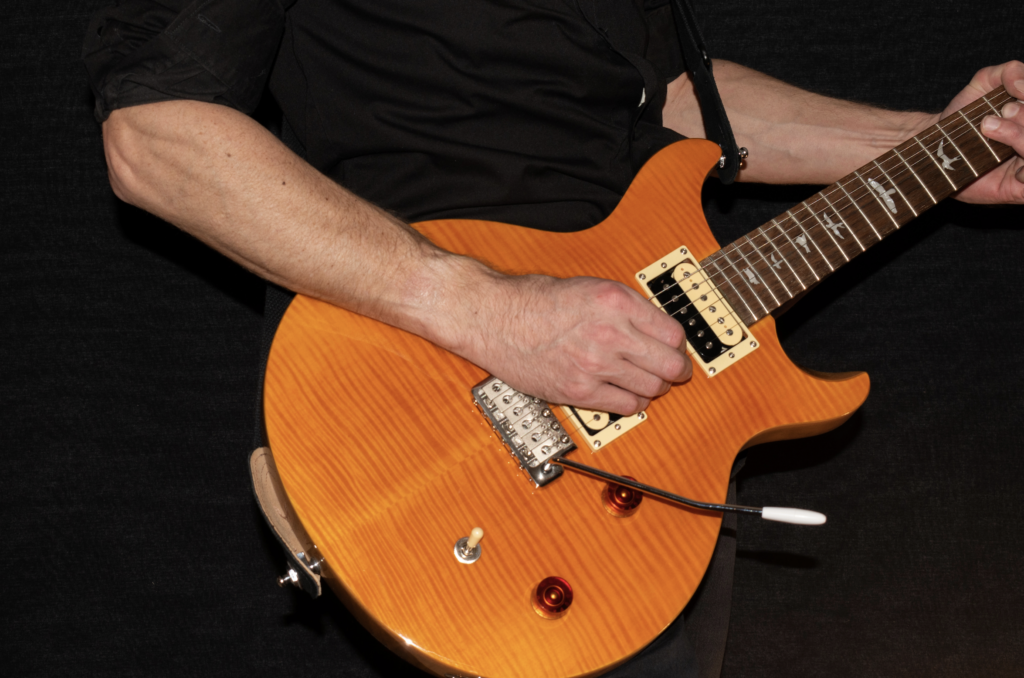
PRS – The PRS splits the difference between a Strat and a Les Paul because the coil-tap humbuckers give you the best of both worlds. The Custom 24 is one of the most well-rounded electric guitars on the market.
Semi-hollow (ES-335 style) – If you want humbucker warmth but with more air and resonance than a Les Paul, look at a 335 or one of its cousins.
The Final Note: Which Is Best?
Our best advice is to pick the one that makes you want to play. That sounds lame, but it’s true.
The best guitar is the one you can’t wait to pick up after a long day at work. If a Strat feels right when you sit down with it, pick that one. If a Les Paul does, pick that one.
You can chase tone and versatility forever, but you can’t fake the feeling of picking up an instrument and not wanting to put it down.
And truthfully, most players eventually own one of each and play a Strat for some songs and a Les Paul for others.